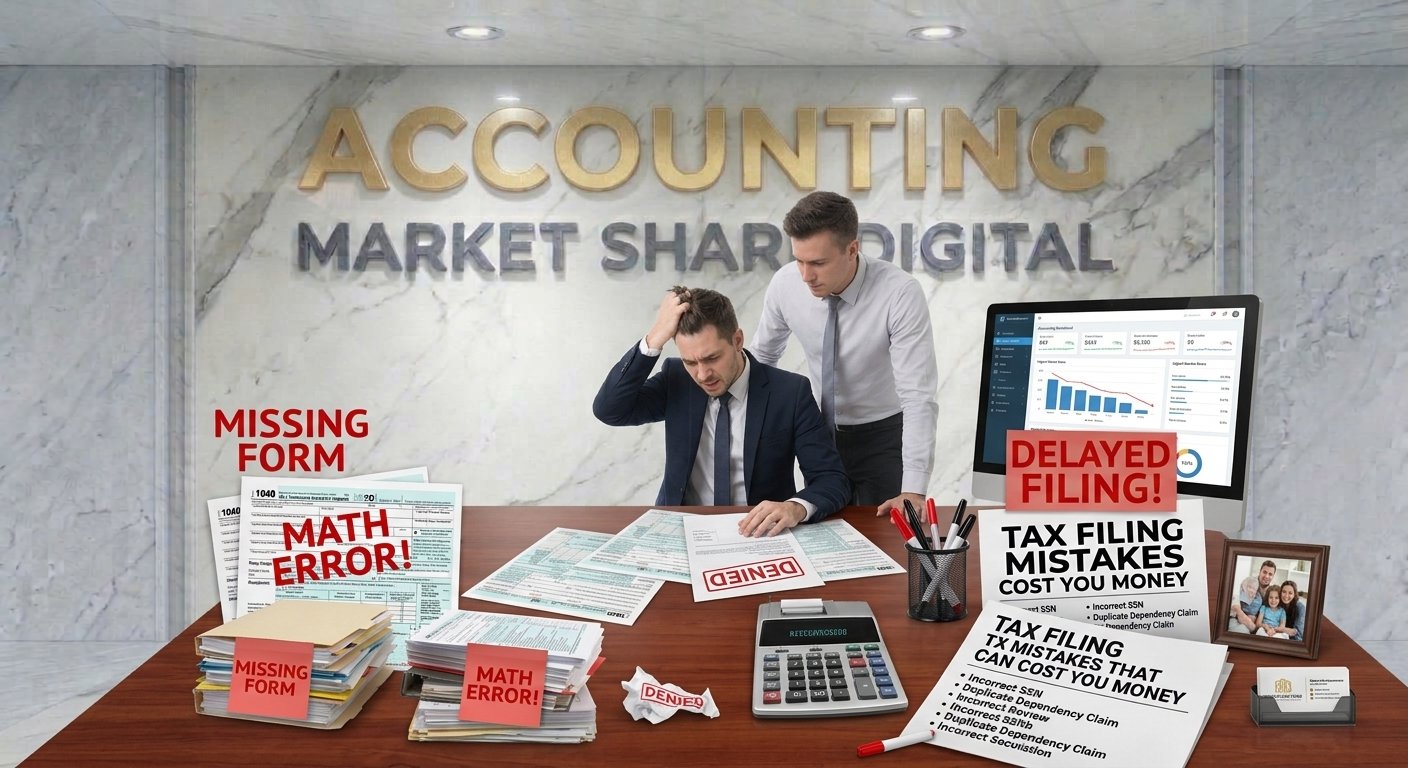
Tax season can be stressful, especially when your financial situation becomes more complicated. While some taxpayers can comfortably file their own returns, others may benefit from professional guidance to help them navigate tax laws, identify potential deductions, and avoid costly mistakes.
So, when should you hire a tax professional? The answer depends on your income, financial circumstances, business activities, and how confident you are handling your tax obligations.
Understanding when to seek professional assistance can help you make informed financial decisions throughout the year—not just when taxes are due.
1. When Your Financial Situation Becomes More Complicated
If your finances have changed significantly since your last tax return, it may be time to consult a tax professional.
Common examples include:
– Getting married or divorced.
– Buying or selling a home.
– Having a child or adding a dependent.
– Receiving an inheritance.
– Selling stocks, cryptocurrency, or other investments.
– Earning income from multiple sources.
– Moving to another state or working across state lines.
These situations can affect how your income is reported, which tax benefits you may qualify for, and what filing requirements apply to you.
A tax professional can help you understand the potential tax implications before you file—and, in some cases, before you make a major financial decision.
2. When You Start a Business or Become Self-Employed
Starting a business, freelancing, consulting, or working as an independent contractor can make tax preparation more complicated.
Unlike traditional employees who generally have income taxes withheld from their paychecks, self-employed individuals may need to manage estimated tax payments, self-employment taxes, and business expense records.
A tax professional can help you understand:
– Which business expenses may be deductible.
– How to separate personal and business finances.
– Whether estimated tax payments are necessary.
– Which federal, state, and local filing requirements apply.
– How your business structure affects your tax obligations.
For business owners, tax planning should be part of ongoing financial management rather than an activity reserved for tax season.
**Important:** Not every business expense is deductible, and deductions depend on applicable tax rules and the facts of your situation. Keeping accurate records throughout the year makes it easier to substantiate eligible expenses.
3. When You Want to Avoid Costly Tax Mistakes
Tax returns require accurate reporting of income, deductions, credits, and other financial information. Even an honest mistake can result in a delayed refund, additional tax owed, interest, or penalties.
Mistakes can include:
– Forgetting to report income from a second job or freelance work.
– Claiming deductions or credits without meeting the eligibility requirements.
– Reporting incorrect information about dependents.
– Miscalculating investment gains or losses.
– Overlooking estimated tax payment obligations.
Tax software can be useful for straightforward returns, but it cannot replace every aspect of individualized tax advice.
A qualified tax professional can help review your circumstances, identify potential issues, and explain the documentation needed to support your return.
4. When You Experience Major Changes in Income
A significant change in income can affect your tax liability and financial planning.
For example, you may have received a substantial bonus, changed jobs, started earning rental income, sold an investment, or experienced a sharp increase in business revenue.
In these situations, a tax professional can help you understand how the additional income may affect your tax bracket, withholding, estimated payments, and potential tax liability.
Planning ahead can be especially valuable when you have flexibility over the timing of certain transactions or business decisions. The goal is not simply to file accurately, but to understand the tax consequences before they become a surprise.
5. When You Own Rental Property or Make Investments
Real estate and investment income can introduce additional reporting requirements.
Rental property owners may need to account for rental income, eligible operating expenses, depreciation, repairs, improvements, and the tax consequences of selling a property.
Investors may need to report capital gains and losses, dividends, interest, and other taxable transactions.
The rules can differ depending on the type of asset, how long it was held, how it was used, and other circumstances.
A tax professional can help you understand the applicable rules, organize the necessary records, and evaluate the potential tax implications of investment decisions.
6. When You Receive an IRS Notice or Have Unfiled Tax Returns
Receiving a notice from the Internal Revenue Service (IRS) can be intimidating. However, not every notice means you have done something wrong or that you owe additional money.
Some notices request information, explain an adjustment, or identify a discrepancy that requires a response.
If you receive an IRS notice, consider seeking professional assistance when you do not understand the issue, disagree with the proposed adjustment, face a significant tax balance, or need help determining the appropriate response.
Professional assistance may also be worthwhile if you have unfiled returns, unresolved tax debts, or concerns about penalties.
Pay attention to the notice’s deadlines. Ignoring correspondence can limit your options or lead to additional complications.
Depending on the matter, you may need a certified public accountant (CPA), an enrolled agent (EA), or a tax attorney. Each has different qualifications and areas of expertise.
7. When You Want Tax Planning, Not Just Tax Preparation
Tax preparation generally focuses on accurately completing and filing your return. Tax planning looks ahead to help you understand how financial decisions may affect your future tax obligations.
For example, tax planning may be helpful when you are:
– Considering starting or expanding a business.
– Evaluating retirement contribution options.
– Deciding when to sell an investment.
– Reviewing employee compensation or business benefits.
– Planning a major purchase or financial transaction.
– Evaluating the tax implications of a change in business structure.
The earlier you seek advice, the more opportunities you may have to evaluate your options. Some tax-saving opportunities depend on actions taken before the end of the tax year or before a transaction is completed.
8. How to Choose the Right Tax Professional
Not every tax professional offers the same services. Before hiring someone, consider the complexity of your tax situation and the professional’s qualifications and experience.
Here are several questions worth asking:
**What are your qualifications?**
Determine whether the professional is a CPA, enrolled agent, tax attorney, or another qualified tax preparer. Verify credentials when appropriate.
**Do you have experience with my situation?**
Someone who regularly works with small businesses may be a good fit for a business owner, while an investor with complex transactions may need a professional with relevant investment-tax experience.
**What services are included in the fee?**
Clarify whether the engagement covers tax preparation only or also includes tax planning, bookkeeping, notice assistance, or follow-up consultations.
**How will we communicate?**
Ask how documents will be exchanged, how questions will be handled, and whether support is available outside tax season.
**Will you explain my tax return?**
A good professional should be able to explain important items on your return and help you understand your responsibilities.
Remember that hiring a professional does not eliminate your responsibility to provide complete and accurate information. You should review your return before signing and filing it.
9. Is Hiring a Tax Professional Worth the Cost?
The value of professional tax assistance depends on your circumstances.
If your return is straightforward, your income sources are limited, and you are comfortable using tax software, filing independently may be reasonable.
If you have a business, multiple income sources, investment transactions, rental properties, unresolved tax issues, or significant financial changes, professional assistance may provide additional value.
When comparing costs, consider more than the filing fee. Think about the time required to organize records, the complexity of your return, the consequences of errors, and whether professional advice could help you make better-informed financial decisions.
No tax professional can guarantee a refund, a specific tax savings amount, or freedom from an audit. Be cautious of anyone who promises results without first understanding your circumstances.
The Bottom Line
You do not necessarily need a tax professional every year. However, as your financial life becomes more complex, professional guidance can become increasingly useful.
Whether you are an employee navigating a major life change, a self-employed individual managing business expenses, or a business owner planning for growth, understanding your tax obligations is an important part of financial responsibility.
The best time to seek help is not always when the filing deadline is approaching. In many situations, an earlier conversation can help you prepare, understand your options, and avoid preventable surprises.
Need help understanding your tax or financial situation?
Market Share Digital helps businesses strengthen their operations through strategic digital solutions. If you are looking for tax preparation or accounting assistance, consult a qualified tax professional whose services match your needs.
Contact Market Share Digital to learn more about our business solutions and how better systems can support your company’s growth.
*Disclaimer: This article is for general educational purposes only and does not constitute tax, legal, or financial advice. Tax rules vary according to individual circumstances and may change. Consult a qualified tax professional regarding your specific situation.*